
Hajj Pilgrim Deaths Remain High in Indonesia: What’s Next?
Hajj Pilgrim Deaths Remain High in Indonesia: What's Next? Hajj Pilgrim Deaths Remain High in Indonesia - Indonesia's Hajj and Umrah Ministry has expressed
Hajj Pilgrim Deaths Remain High in Indonesia: What’s Next?
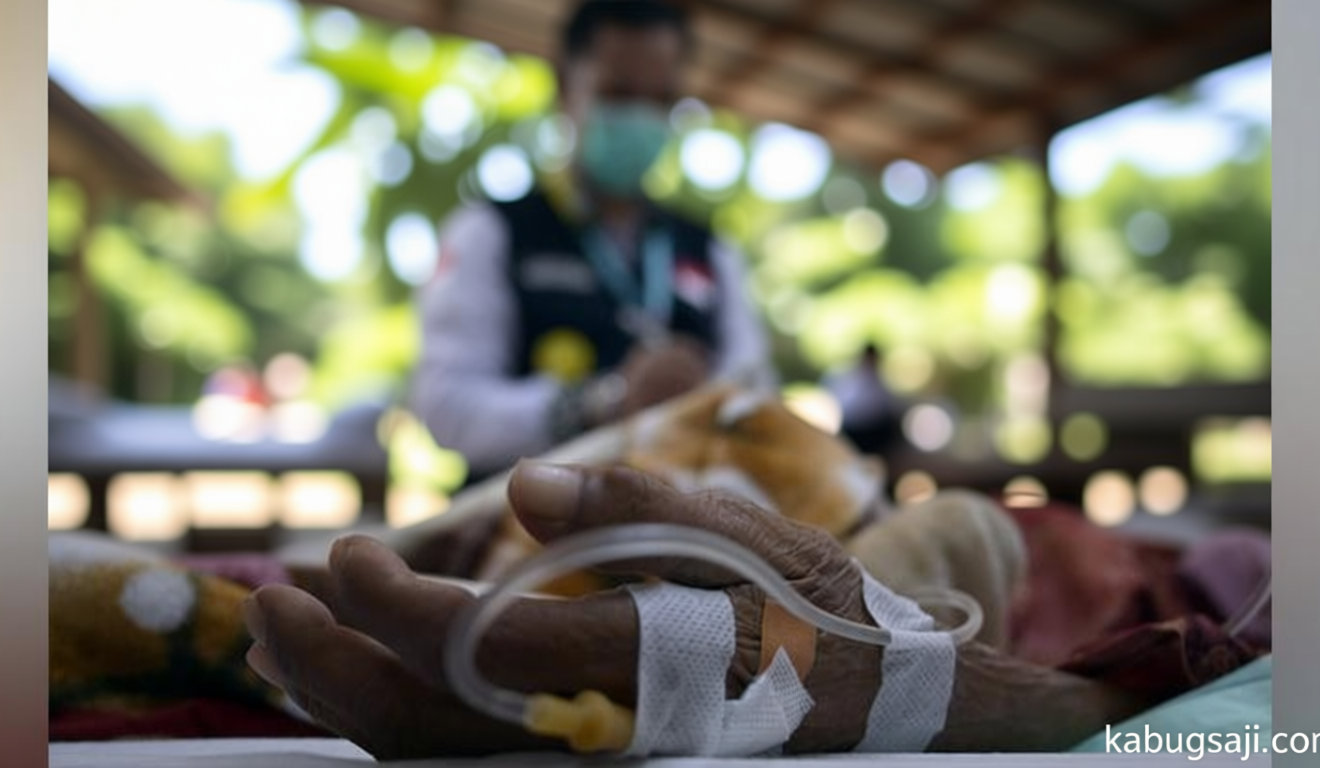
Hajj Pilgrim Deaths Remain High in Indonesia – Indonesia’s Hajj and Umrah Ministry has expressed ongoing concerns about the high number of pilgrim fatalities during the annual Islamic pilgrimage, with officials planning to conduct a comprehensive review of the 2026 Hajj season. The focus keyword, Hajj Pilgrim Deaths Remain High, underscores the urgency of addressing safety issues and improving logistical support to ensure a smoother experience for the country’s 221,000 pilgrims who traveled to Saudi Arabia for the event. Minister Mochamad Irfan emphasized that while there was a 25% decline in mortality compared to the previous year, the number of deaths—over 350—still raises significant questions about the effectiveness of current measures.
Challenges in Pilgrim Safety and Health Management
The 2026 Hajj season, which concluded on July 1, marked a critical milestone in the global pilgrimage calendar. Despite the 25% reduction in fatalities, the data revealed that the number of deaths remains alarmingly high. Irfan highlighted that the main causes of these casualties included heat exhaustion, dehydration, and accidents in crowded areas, particularly in Mina, where pilgrims perform the stoning ritual. “Hajj Pilgrim Deaths Remain High” in part due to the immense physical and emotional strain on participants, as well as the challenges of managing large crowds under extreme weather conditions.
“We managed to lower the death rate by roughly 25%, yet it is still too high. Over 350 fatalities remain a significant concern,” Irfan stated during a National Hajj Evaluation Meeting at the Jakarta Hajj Dormitory complex on July 4. The minister noted that the Ministry of Hajj’s YouTube channel provided detailed statistics, showing that the peak ritual at Arafah on May 26 was the most dangerous period for pilgrims, with the highest number of incidents recorded.
Strategic Reforms to Reduce Risks
As part of its efforts to tackle the ongoing issue of Hajj Pilgrim Deaths Remain High, the ministry has outlined several strategic reforms for the upcoming season. These include enhancing healthcare infrastructure by deploying more mobile medical units and increasing the number of trained personnel in high-risk zones. Additionally, Irfan is prioritizing the redesign of crowd management systems, particularly in Mina, where last year’s overcrowding led to critical bottlenecks. “Mina emerged as a critical weakness in our services last year,” he noted, stressing the need for improved traffic flow and real-time monitoring to prevent similar issues.
The ministry is also investing in technology-driven solutions, such as the Nusuk digital card system, which streamlines pilgrim registration and tracking. This innovation, along with provincial quota allocation, has already contributed to better organization in the 2026 season. However, officials acknowledge that these measures alone may not be sufficient to address the persistent challenges of Hajj Pilgrim Deaths Remain High in the long term.
Transparency and Collaborative Problem-Solving
Transparency in post-Hajj reviews is now a central theme in the ministry’s strategy. Irfan emphasized that the evaluation process must not only highlight shortcomings but also foster collaboration with international experts and Saudi authorities to share best practices. “We aim to uncover mistakes and shortcomings to drive improvement, not assign blame,” he said, signaling a shift toward collective accountability and continuous learning. This approach is expected to enhance the credibility of Indonesia’s Hajj operations and build trust with participants and stakeholders alike.
Commission VIII of the House of Representatives, led by Marwan Dasopang, has also joined the initiative, warning that rising costs in Saudi Arabia, including increased taxes and commodity prices, could affect the financial burden on pilgrims. While this is a separate concern, the ministry is exploring cost-saving measures to ensure that economic pressures do not exacerbate the risks associated with Hajj Pilgrim Deaths Remain High.
Global Implications and Future Outlook
Indonesia’s experience with Hajj Pilgrim Deaths Remain High has drawn attention from international observers, who are evaluating the country’s safety protocols against global standards. The minister acknowledged that while the 2026 season showed progress, the high fatality rate remains a focal point for future improvements. Officials are now working to integrate lessons learned into the 2027 Hajj plan, which will likely see additional investments in safety technology, training, and crowd control systems.
With over 350 pilgrims losing their lives in 2026, the ministry faces mounting pressure to ensure that the next season is not only more efficient but also safer. Irfan’s commitment to reducing fatalities and improving services is a key step toward achieving this goal, but sustained efforts and global cooperation will be essential to address the complex challenges of Hajj Pilgrim Deaths Remain High.
Indonesia Says Hajj Costs May Increase Next Year
Click here to get the latest news updates from Tempo on Google News.