
Sultan Hotel’s Court-Mandated Eviction Deemed Indonesia’s Largest
Sultan Hotel's Court-Mandated Eviction Deemed Indonesia's Largest Sultan Hotel s Court Mandated Eviction - On June 18, 2026, the Central Jakarta District
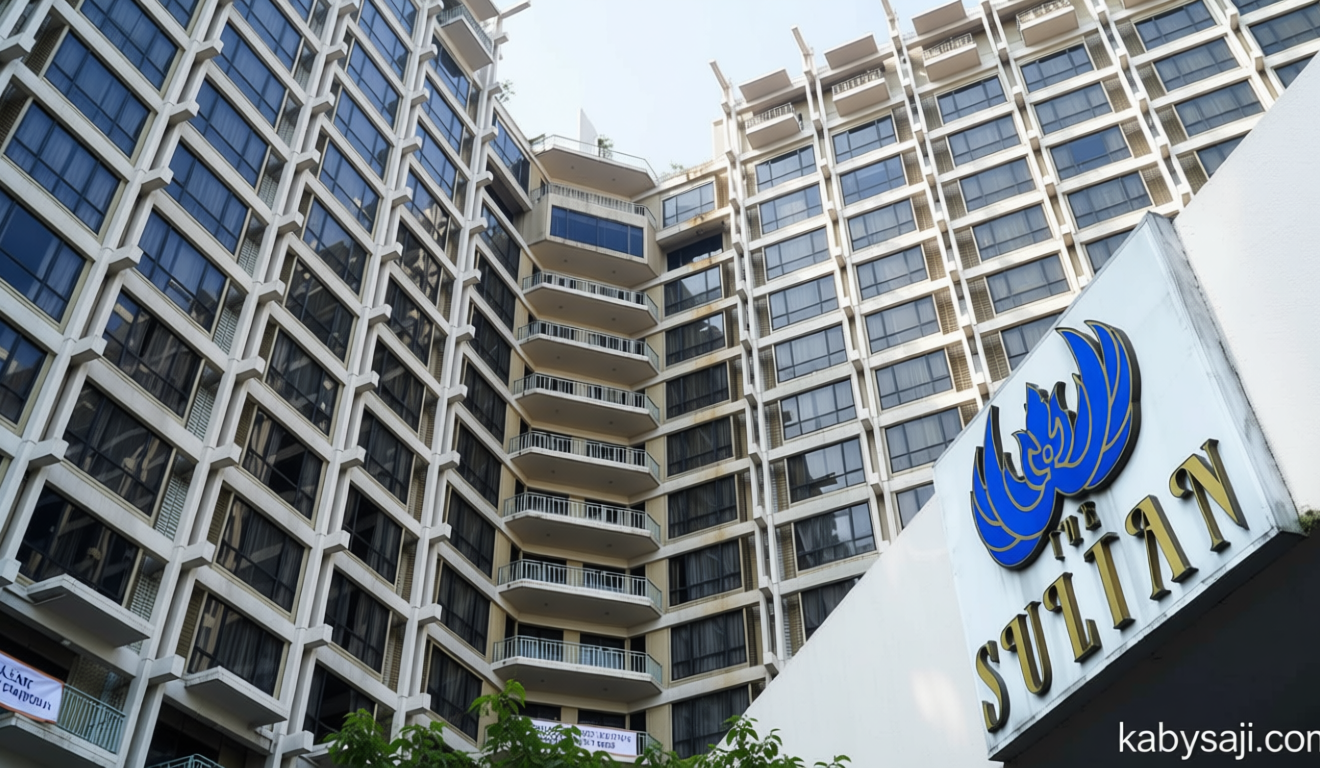
Sultan Hotel’s Court-Mandated Eviction Deemed Indonesia’s Largest
Sultan Hotel s Court Mandated Eviction – On June 18, 2026, the Central Jakarta District Court made headlines by executing one of the most significant and costly court-mandated evictions in Indonesia’s legal history. The landmark event involved the removal of the Sultan Hotel’s assets from the Gelora Bung Karno complex, a development that has sparked widespread discussion about the implications of such large-scale legal actions. This eviction, formally known as Sultan Hotel’s Court Mandated Eviction, was the result of a prolonged legal battle, with the court seizing Rp28.9 trillion worth of property to enforce a judgment against the hotel’s operator. The case has set a new precedent for the execution of civil orders in the country, highlighting both the power of the judiciary and the challenges faced by businesses in legal disputes.
The Legal Background of the Eviction
The Sultan Hotel’s Court Mandated Eviction was triggered by a series of legal proceedings that had been in motion for years. The hotel, once a symbol of luxury in Jakarta, had been embroiled in a dispute over land ownership and unpaid debts. According to court records, the operator of the Sultan Hotel failed to meet financial obligations, leading to a judgment that required the forced removal of the premises. Ahyar Parmika, the court clerk, emphasized that the eviction was necessary due to the defendant’s consistent refusal to vacate the site. “The legal representative of the operator did not appear during the execution process,” he noted, underscoring the court’s determination to proceed despite the resistance.
The court’s decision was based on an assignment letter issued on June 17, 2026, by the Central Jakarta District Court Chair, numbered 181/KPN.W10-U1/ST.KP7.1/VI/2026. This directive mandated the seizure of land under ex-HGB numbers 26 and 27, which had been tied to the hotel’s operation. Legal experts argue that this case represents a critical moment in Indonesia’s civil enforcement system, as it demonstrates the court’s ability to act decisively in high-value disputes. The eviction process, which involved multiple stages of legal proceedings, has been hailed as a model for future large-scale executions, though it has also drawn criticism for its disruptive nature.
The Execution Process and Challenges
The actual eviction on June 18, 2026, was marked by intense public unrest, with demonstrators gathering outside the hotel to protest the forced removal. Some individuals hurled stones at law enforcement officers, forcing them to take cover behind armored vehicles. In response, authorities deployed water cannons to clear the area, which led to hundreds of people rushing into the hotel complex. Several individuals were apprehended during the operation, underscoring the tension between the court’s authority and public sentiment. This incident highlights the broader challenges of enforcing court orders in densely populated urban areas, where businesses often serve as focal points for community identity and economic activity.
Despite the chaos, the court maintained that the eviction was carried out in accordance with the Civil Procedure Law, which outlines the procedures for legal seizures. Sunoto, the spokesperson for the Central Jakarta District Court, reiterated that the process was both lawful and necessary. “This Sultan Hotel’s Court Mandated Eviction is a testament to the court’s commitment to upholding justice, even in the face of public resistance,” he stated during a press briefing. The event has also raised questions about the balance between legal enforcement and the protection of property rights, with advocates for the hotel’s operator calling for a review of the proceedings.
Impact on the Hotel and Jakarta’s Real Estate Market
The Sultan Hotel’s Court Mandated Eviction has had a profound impact on both the hotel’s operations and the broader Jakarta real estate sector. As the largest civil execution in Indonesia’s history, the case has drawn attention to the financial vulnerabilities of businesses operating in the city. The seizure of the hotel’s premises has left its staff and tenants in a state of uncertainty, with some reporting that they were unable to retrieve personal belongings during the chaos. The event has also raised concerns about the long-term consequences for the hotel’s future, as the court’s decision to remove the assets could force a complete restructuring of its business model.
Local economists point to the Sultan Hotel’s Court Mandated Eviction as a pivotal moment in Jakarta’s property market, reflecting the growing use of legal mechanisms to resolve commercial disputes. The high value of the assets seized—Rp28.9 trillion—demonstrates the scale of the financial stakes involved in such cases. Meanwhile, the eviction has sparked debates about the role of the judiciary in shaping the city’s urban landscape. With Jakarta experiencing rapid development and increasing competition, the court’s decision to prioritize legal execution over negotiation could serve as a warning to other businesses facing similar challenges.
Readers interested in the Sultan Hotel’s Court Mandated Eviction can explore related developments, such as the recent incident where a deputy minister was injured during the unrest. This event underscores the high stakes involved in the eviction, as it not only affects the hotel but also has the potential to disrupt local politics and public order. The ongoing legal proceedings have also highlighted the importance of transparency in court actions, with many calling for greater public engagement in the process to prevent conflicts.