Will Mojtaba Khamenei Attend His Father’s Funeral?
Will Mojtaba Khamenei Attend His Father's Funeral? Will Mojtaba Khamenei Attend His Father - Iran's Supreme Leader, Mojtaba Khamenei, is set to attend the
Will Mojtaba Khamenei Attend His Father’s Funeral?
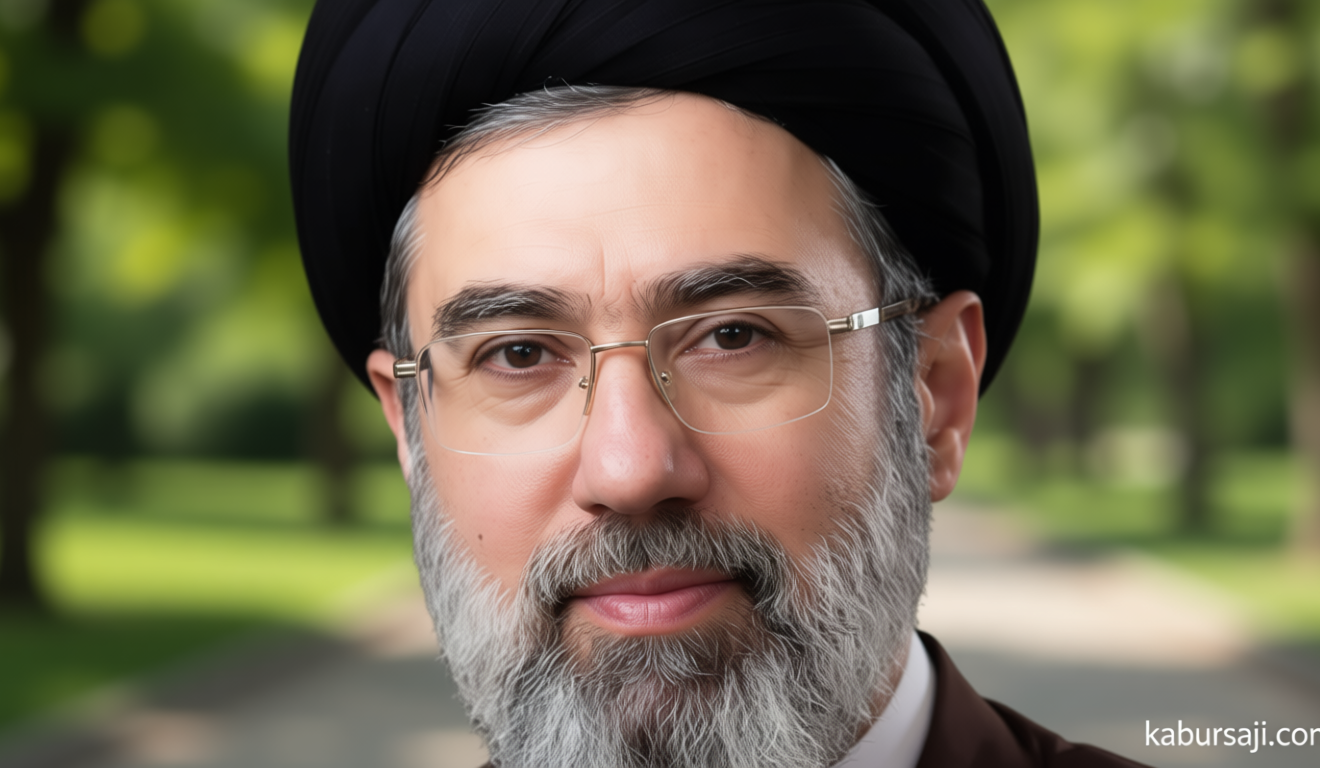
Will Mojtaba Khamenei Attend His Father – Iran’s Supreme Leader, Mojtaba Khamenei, is set to attend the funeral of his father, Ayatollah Ali Khamenei, as the country prepares to honor the late leader’s legacy. The event, scheduled to begin in Tehran on July 4, will span multiple cities, including Qom and Mashhad, with the final rites planned for Mashhad on July 9. The funeral is expected to draw millions of participants, reflecting its significance as both a national and religious commemoration. However, the absence of Mojtaba from public appearances for months has sparked speculation about whether he will indeed attend the ceremony, raising questions about his role in the mourning process.
Religious Significance and Delays in Burial
The timing of the funeral has been a subject of discussion among Shiite Islamic scholars. While traditional Islamic practice emphasizes the prompt burial of the deceased, the delay in Ali Khamenei’s funeral has led to debates about its religious implications. Some clerics argue that the extended mourning period aligns with Islamic customs, particularly in cases where the deceased holds a prominent position in the faith. Others, like Vahid Heroabadi, a former Shiite cleric based in Europe, have pointed out that the delay contradicts the norm of immediate burial, highlighting the tension between tradition and the political symbolism of the event.
“In Islamic jurisprudence, the burial of a revered figure is often prioritized over the strictest timing rules, allowing for a period of reflection and veneration,” Heroabadi stated. “But the delay in this case has raised eyebrows, as it could be interpreted as a strategic move to underscore the importance of the event.”
Despite these concerns, Iranian officials have framed the funeral as a demonstration of national unity and religious devotion. They have emphasized the infrastructure prepared to accommodate the expected crowds, including special arrangements for international guests. However, the exact details of Mojtaba’s participation remain uncertain, with state media offering no definitive statement on his attendance.
Uncertainty Over Mojtaba’s Presence
The question of whether Mojtaba Khamenei will attend his father’s funeral has become a focal point of public discourse. As the son who inherited the Supreme Leader position following his father’s passing, Mojtaba’s presence is seen as a critical indicator of his commitment to the leadership role. Ali Akbar Pourjamshidian, head of the national funeral committee, confirmed that the decision lies with the commander-in-chief’s office, which has yet to issue an official announcement.
Mojtaba has been largely absent from public life since his father’s death, missing significant events such as the symbolic funeral of his wife, Zahra Haddad Adel. This absence has fueled speculation about his health and political standing. Some reports suggest that he suffered injuries in the attack that killed his father, though medical details remain unverified. Whether or not Mojtaba Khamenei attends the funeral could signal his readiness to take on the responsibilities of leadership or his desire to maintain a low profile during the transition.
International Delegations and Political Symbolism
The funeral is expected to attract delegations from over 30 countries, including India, which has pledged to send a high-level team to show solidarity with Iran. This international presence underscores the funeral’s role as a diplomatic event, with many viewing it as an opportunity to strengthen ties with the Islamic Republic. However, analysts argue that the guest list may reflect more than just support—each delegation is likely to be a strategic choice, aimed at reinforcing alliances or signaling regional influence.
“The participation of foreign leaders in the funeral highlights its political weight, as it serves as a platform to reaffirm Iran’s global standing,” said Ahmad Vakhshiteh, a senior lecturer at RUDN University in Moscow. “Yet, Mojtaba Khamenei’s presence or absence will be a telling sign of his authority and the direction of Iran’s leadership.”
As the funeral approaches, the focus shifts to Mojtaba Khamenei’s potential role in the ceremony. His attendance could be a powerful statement of continuity, while his absence might be interpreted as a signal of new priorities. The event is not only a tribute to Ali Khamenei but also a moment to assess the stability of the current power structure in Iran.
The mourning period in Iran is deeply intertwined with the country’s cultural and political identity. With millions expected to gather for the ceremonies, the event will be a testament to the emotional and spiritual connection between the people and their leader. However, the uncertainty surrounding Mojtaba’s attendance adds a layer of intrigue, as it could influence perceptions of his leadership capabilities. Whether he steps forward to lead the tributes or remains in the background, the funeral will remain a pivotal moment in the nation’s collective memory.
As the funeral approaches, the public remains hopeful for clarity on Mojtaba Khamenei’s involvement. His father’s death marked the end of an era, and the ceremony will serve as a bridge between the past and the future of Iran’s leadership. The event’s success will depend on the seamless coordination of religious rituals, political messaging, and the participation of key figures, including Mojtaba Khamenei. For now, the focus keyword “Will Mojtaba Khamenei Attend His Father’s Funeral?” continues to dominate discussions, reflecting the nation’s anticipation and the symbolic weight of the occasion.