
Vatican Excommunicates Rebel SSPX Bishops, Followers
Vatican Excommunicates Rebel SSPX Bishops, Followers Vatican Excommunicates Rebel SSPX Bishops Followers - The Vatican has taken decisive action by
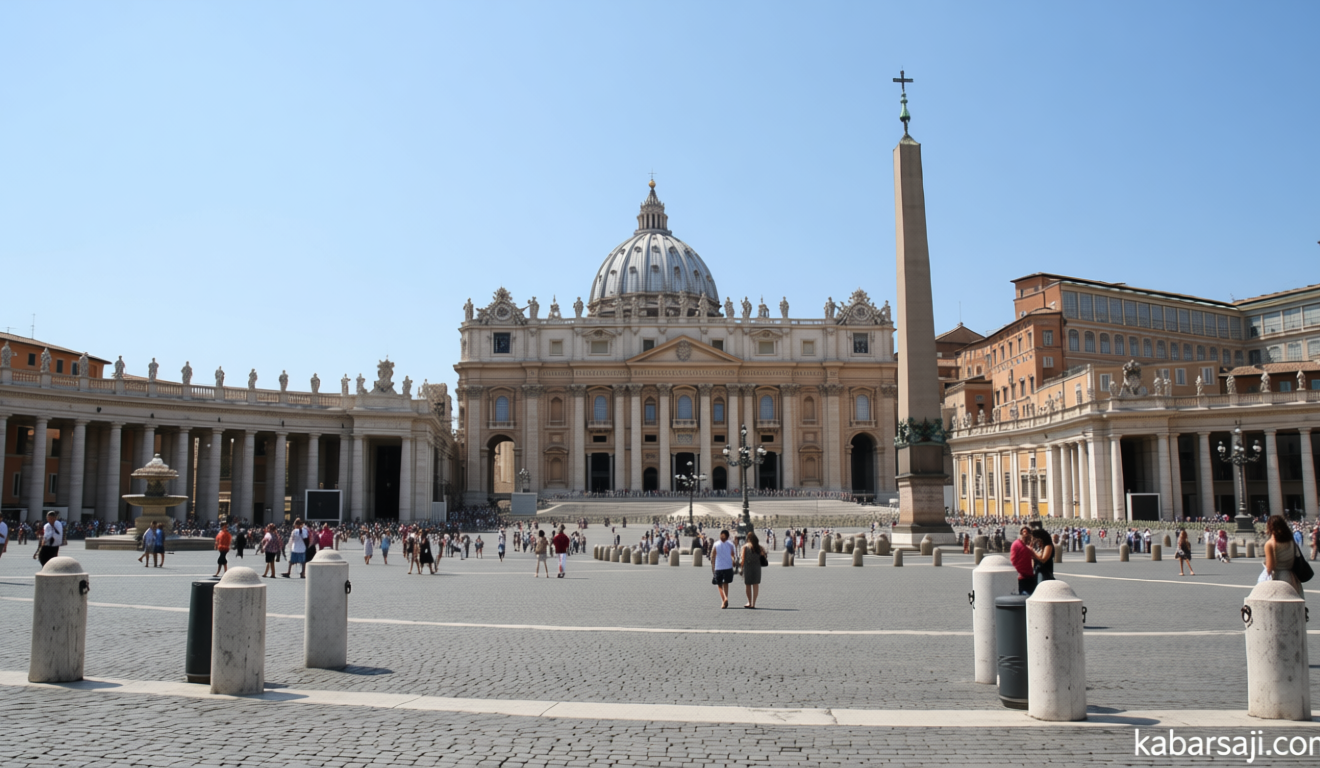
Vatican Excommunicates Rebel SSPX Bishops, Followers
Vatican Excommunicates Rebel SSPX Bishops Followers – The Vatican has taken decisive action by excommunicating rebel SSPX bishops and their followers, enforcing a sweeping decision under Catholic canon law to sever ties with a faction that defied papal authority. This move, announced on Thursday, targets four newly consecrated bishops and two additional clergy members who broke away from the Church’s central leadership. The Congregation for the Doctrine of the Faith, the Vatican’s doctrinal authority, stated that these individuals are now considered schismatic and excommunicated, a move aimed at reasserting Rome’s control over the traditionalist movement. The decision reflects a long-standing effort to address the group’s separation from the Catholic faith and its refusal to conform to recent reforms within the Church.
Excommunication, a severe ecclesiastical penalty, not only excludes individuals from participating in sacraments but also removes them from ecclesiastical roles and Catholic rites. By formally declaring the SSPX bishops as excommunicated, the Vatican emphasizes the gravity of their defiance. The Church argues that the group’s continued ordination of bishops without papal approval constitutes a breach of unity, undermining the hierarchical structure that has defined Catholic doctrine for centuries. This action is part of a broader strategy to realign the SSPX with Roman Catholic teachings and practices.
SSPX’s Defiant Ordination
The Society of Saint Pius X (SPPX), a traditionalist movement founded in 1970 by French Archbishop Marcel Lefebvre, has long resisted the changes introduced during the Second Vatican Council. On the day of the excommunication, the SPPX held a high-profile ordination ceremony near its seminary in Econe, Switzerland, where four bishops were consecrated in defiance of Pope Leo XIV’s prior instructions. The event attracted approximately 15,500 attendees, including families and supporters of the bishops, underscoring the movement’s deep-rooted following. Despite the Pope’s explicit request to halt such ordinations, the group proceeded, treating the act as a formal declaration of independence from the Vatican.
“Those who adhere formally to the Society of Saint Pius X are now considered schismatic and excommunicated,” the Vatican’s decree stated. This ruling is a clear message to the SPPX and its adherents, reinforcing the Church’s authority and signaling the end of previous reconciliation attempts. The decision comes after a series of failed negotiations, where the SPPX refused to compromise on its traditionalist views, including its insistence on Latin Masses and opposition to modern liturgical practices.
Historical Context and Tensions
The SPPX’s resistance to Vatican II reforms has created a rift within the Catholic Church, with the group advocating for a return to pre-conciliar traditions. The excommunication of its bishops marks a turning point in this ongoing conflict, as it removes key leaders from the Church’s fold and distances the movement from its influence. The Vatican’s move is not only a legal one but also a symbolic act to reaffirm its authority over doctrinal matters and ecclesiastical governance. Critics argue that the excommunication may deepen divisions, while supporters see it as a necessary step to maintain unity within the faith.
The excommunication decision has sparked a wave of reactions from both within and outside the Catholic Church. Some traditionalist Catholics have expressed solidarity with the SPPX, viewing the bishops as defenders of authentic Catholic practice. Others, however, have criticized the Vatican for its strict approach, arguing that the movement’s separation from Rome stems from genuine theological convictions rather than rebellion. The decree also highlights the Vatican’s commitment to upholding canonical discipline, with the Congregation for the Doctrine of the Faith emphasizing that the SPPX’s actions have been a persistent challenge to the Church’s unity since its inception.
Historically, the SPPX has maintained a strong presence in regions where traditionalist sentiment remains influential, such as France and parts of Europe. The movement’s leaders have consistently rejected modern Catholic practices, including the use of vernacular languages in Masses and the Church’s engagement with interfaith dialogue. The excommunication of their bishops may serve as a catalyst for further fragmentation, as followers could be forced to choose between allegiance to the Vatican or continued association with the SPPX. This decision also raises questions about the future of the group and its potential to evolve or persist as a separate entity.
As the Vatican solidifies its stance against the SPPX, the broader implications for Catholic unity and tradition are significant. The excommunication of rebel bishops not only punishes their defiance but also sets a precedent for future disciplinary actions. The Church’s emphasis on doctrinal purity and hierarchical obedience underscores its determination to maintain a cohesive structure. Meanwhile, the SPPX’s followers may face challenges in maintaining their community, with some possibly choosing to remain in the movement despite the excommunication. This development highlights the evolving dynamics within the Catholic Church, where tradition and reform continue to collide in the pursuit of unity.