
Indonesia Sees Progress in Defense Pacts with Malaysia, Turkey: What’s Next?
Indonesia Advances Defense Pacts with Malaysia and Turkey: What's Next? Indonesia Sees Progress in Defense Pacts - Indonesia has made significant strides in
Indonesia Advances Defense Pacts with Malaysia and Turkey: What’s Next?
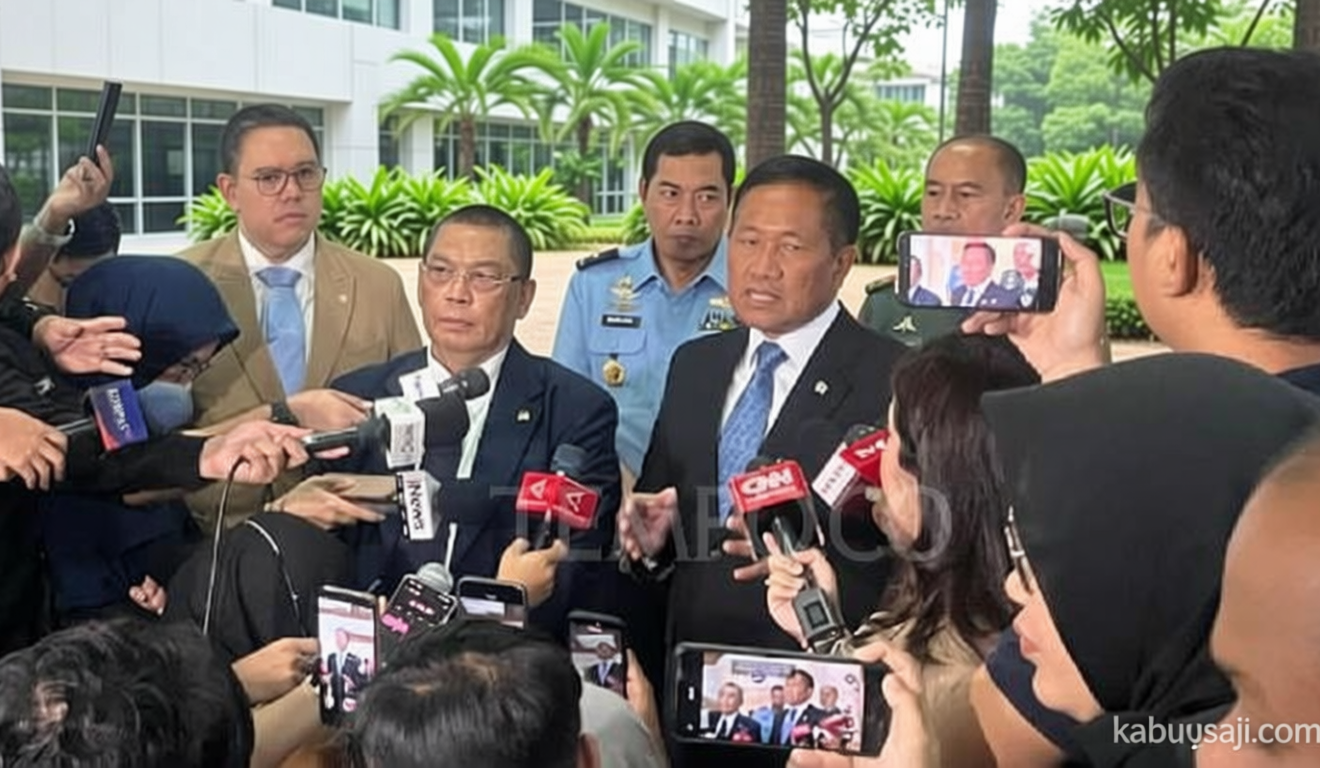
Indonesia Sees Progress in Defense Pacts – Indonesia has made significant strides in strengthening its defense partnerships with Malaysia and Turkey, as highlighted by the recent approval of proposed legislation for cooperation agreements. On July 1, 2026, the House of Representatives Commission I formally passed the bill, marking a pivotal step toward formalizing these strategic alliances. The decision was reached by a majority vote among the eight political party factions present, which are responsible for overseeing defense, cyber, and foreign affairs. This milestone paves the way for the full parliamentary session, where the agreements will be finalized and implemented, signaling Indonesia’s growing commitment to regional and international defense collaboration.
Significance of the Defense Agreements
The ratification of these defense pacts is seen as a crucial move for Indonesia to enhance its military capabilities and regional security posture. Deputy Minister of Defense Donny Ermawan Taufanto, representing the government, emphasized that the approval fulfills a key procedural requirement, allowing the execution of joint defense initiatives with Turkey and Malaysia. According to Taufanto, the agreements are rooted in mutual benefit and equal partnership, ensuring that all parties involved share in the strategic advantages of the collaboration. This framework is expected to facilitate smoother implementation of joint programs, from logistics to technology exchange, while reinforcing Indonesia’s role as a central player in Southeast Asia’s security landscape.
Indonesia Sees Progress in Defense Pacts not only with Malaysia and Turkey but also reflects a broader trend of the country seeking to diversify its defense alliances. The agreements are part of Indonesia’s efforts to secure reliable partnerships for military modernization, maritime security, and counterterrorism. With growing regional challenges and the need for a robust defense infrastructure, these pacts are positioned to complement existing collaborations, such as the Indonesia-South Korea KF-21 Fighter Prototype Transfer, and potentially open new avenues for strategic cooperation. The inclusion of Malaysia and Turkey in this network underscores Indonesia’s diplomatic outreach and its desire to build a more interconnected defense ecosystem.
Next Steps and Implementation
Following the legislative approval, the next phase involves the formal ratification by the full House of Representatives and subsequent negotiations to finalize the terms of the agreements. Commission Chair Utut Adianto, who delivered a gavel strike to signal the move to the next stage, has expressed confidence in the collaborative spirit of the process. “This legal framework will ensure smoother execution of defense programs,” Utut stated during the meeting, which included representatives from the Ministry of Defense, Ministry of Foreign Affairs, and Ministry of Law. The implementation of these pacts is anticipated to take place in the coming months, with specific focus on areas such as joint military exercises, defense technology sharing, and strategic resource allocation.
Indonesia Sees Progress in Defense Pacts also has implications for the country’s foreign policy. By aligning with Malaysia and Turkey, Indonesia aims to solidify its position as a bridge between ASEAN nations and broader international actors. The agreements are expected to enhance Indonesia’s ability to respond to regional security threats, such as maritime disputes in the South China Sea and cross-border terrorism. Additionally, the collaboration with Turkey, a NATO member, may provide Indonesia with access to advanced defense systems and expertise, while the partnership with Malaysia strengthens bilateral ties in the context of shared security interests.
Key areas of focus for the defense pacts include joint training programs, intelligence sharing, and the establishment of a regional defense cooperation framework. Indonesia’s defense officials have highlighted that these agreements will not only bolster national security but also contribute to the stability of the Indo-Pacific region. The involvement of multiple ministries during the approval process demonstrates the cross-sectoral effort required to ensure the pacts align with both national and international strategic objectives. As the agreements progress, they are likely to serve as a model for future defense partnerships, further embedding Indonesia in a network of global security alliances.
Indonesia Sees Progress in Defense Pacts is also expected to have long-term economic and technological benefits. The collaboration with Malaysia and Turkey may facilitate the transfer of defense technologies, reduce reliance on foreign suppliers, and create opportunities for local industry growth. Additionally, the agreements could open channels for joint investments in defense infrastructure and logistics, enhancing the efficiency of military operations. As Indonesia continues to expand its defense alliances, the focus keyword “Indonesia Sees Progress in Defense” is likely to feature prominently in subsequent developments, underscoring the nation’s proactive approach to strengthening its strategic position in the region and beyond.