
US Top Court Backs Birthright Citizenship in Rebuke to Trump
US Supreme Court Upholds Birthright Citizenship in Response to Trump’s Policy Challenge US Top Court Backs Birthright Citizenship - On Tuesday, the U.S.
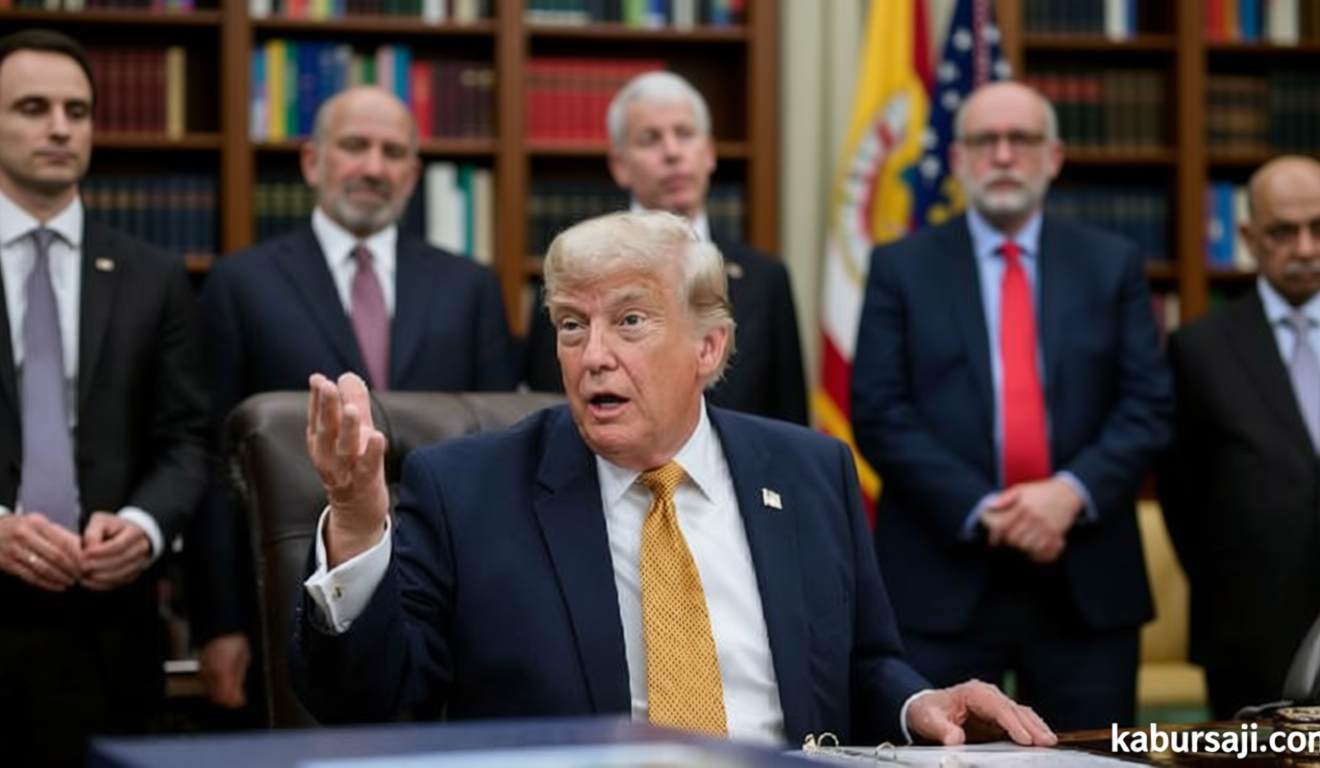
US Supreme Court Upholds Birthright Citizenship in Response to Trump’s Policy Challenge
US Top Court Backs Birthright Citizenship – On Tuesday, the U.S. Supreme Court determined that President Donald Trump’s executive order limiting birthright citizenship was unconstitutional. The landmark ruling, delivered in a 6-3 decision, affirmed the right to U.S. citizenship for nearly all individuals born on American soil, rejecting the administration’s attempt to curtail this legal principle.
Trump’s Executive Order and Legal Rationale
Trump’s directive, issued on the first day of his second presidential term, aimed to restrict automatic citizenship for children born to non-citizens. The policy instructed federal agencies to disregard the status of such children unless at least one parent held U.S. citizenship or a green card. Critics argued this undermined the 14th Amendment, which guarantees citizenship to anyone born within the country’s borders.
“Citizenship, then and now, was the right to have rights … to freely participate in our political community. The Framers of the Fourteenth Amendment extended that promise to ‘every free-born person in this land,’” wrote Chief Justice John Roberts, leading the majority opinion.
The 14th Amendment and Its Interpretation
The Citizenship Clause of the 14th Amendment states: “All persons born or naturalized in the United States, and subject to the jurisdiction thereof, are citizens of the United States and of the state wherein they reside.” The Trump administration contested this, claiming that birthplace alone does not ensure “jurisdiction” and thus citizenship. They argued that children of undocumented immigrants or temporary residents should not automatically qualify.
Comparative Citizenship Rules
Most nations, particularly outside the Americas, rely on jus sanguinis, or “right of blood,” where citizenship is inherited through parental lineage rather than birthplace. For instance, EU countries do not grant unconditional citizenship to children born to foreigners. In contrast, U.S. law traces its roots to jus soli, the “right of soil,” which grants citizenship based on place of birth. The British Nationality Act of 1981 replaced this system, requiring at least one parent to hold British citizenship or settled status for automatic rights.
Broader Implications and Previous Rulings
Before addressing birthright citizenship, the court had recently sided with Republican plaintiffs in two separate cases. First, they ruled 6-3 that campaign spending caps violated First Amendment protections, bolstering the GOP’s financial advantage in the upcoming midterms. Second, they upheld state laws barring transgender girls and women from participating in school sports, a decision with significant cultural and political ramifications.
The ACLU praised the birthright citizenship ruling as a clear reflection of American identity, stating, “No matter who your parents are, if you’re born here, you belong here.” Meanwhile, opponents accused Trump of advancing racial and religious biases through his immigration policies, which had already faced legal challenges in multiple jurisdictions.