Jakarta Ranks as World’s Most Polluted City on Friday Morning
s as World's Most Polluted City on Friday Morning Jakarta Ranks as World s Most - On Friday morning, Jakarta emerged as the world's most polluted city
Jakarta Ranks as World’s Most Polluted City on Friday Morning
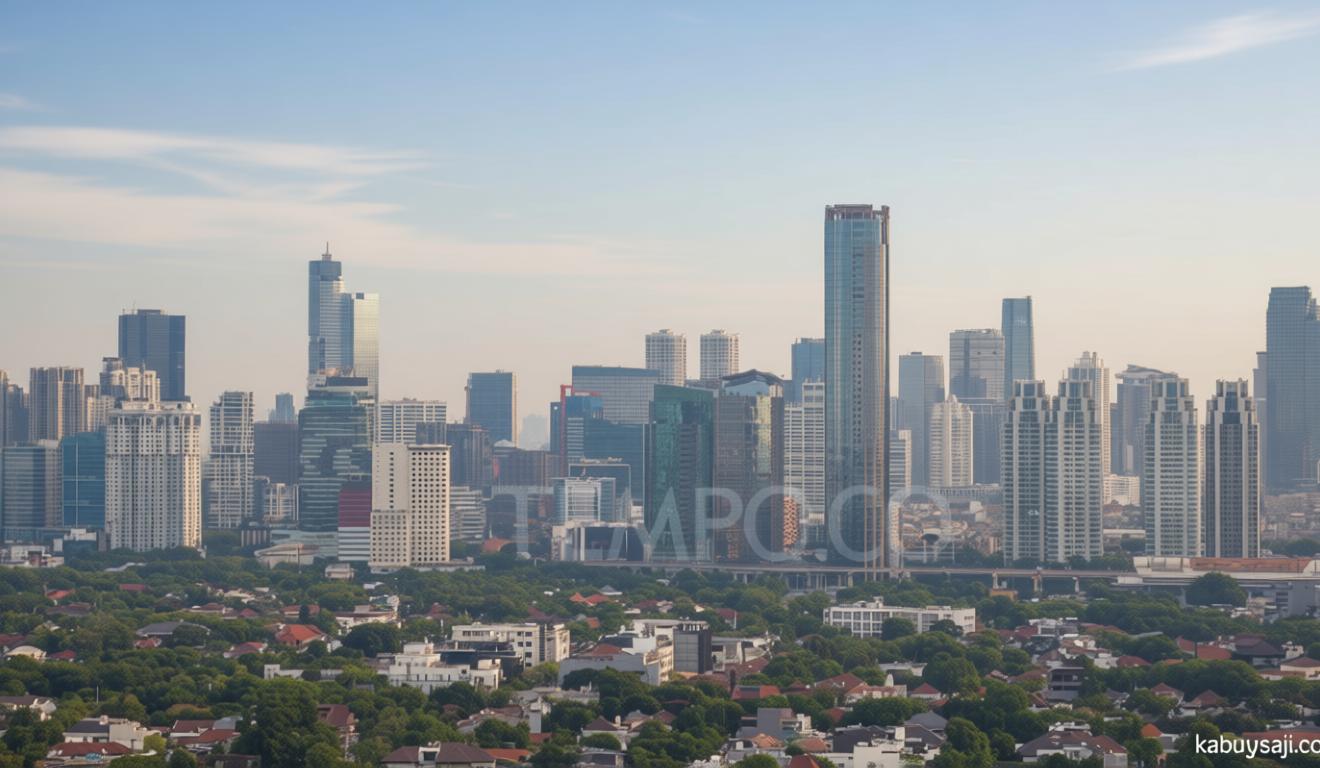
Jakarta Ranks as World s Most – On Friday morning, Jakarta emerged as the world’s most polluted city, according to IQAir’s latest air quality analysis. At 06:11 AM local time, the city’s Air Quality Index (AQI) surged to 176, categorizing the air as ‘unhealthy’ for sensitive groups. This marked the third consecutive day Jakarta held the title of the most contaminated city globally, with PM2.5 levels reaching 91 micrograms per cubic meter—a figure that has raised significant concerns for public health and environmental sustainability. The focus keyword, “Jakarta Ranks as World’s Most Polluted City,” underscores a recurring issue that has gripped the region, demanding urgent attention from policymakers and citizens alike.
Unhealthy Air Quality in Jakarta
IQAir’s data highlights that Jakarta’s pollution levels may pose a serious threat to vulnerable populations, such as children, the elderly, and individuals with respiratory conditions. The AQI reading of 176, which falls into the ‘unhealthy’ bracket, suggests that prolonged exposure could lead to short-term health effects like coughing, throat irritation, and reduced lung function. Experts warn that the city’s air quality, driven by factors like vehicle emissions, industrial activity, and construction dust, has been deteriorating over recent weeks. This is not an isolated incident but part of a larger pattern, with Jakarta consistently ranking high in global pollution charts.
Blockquote:
Environmental organizations emphasize that Jakarta’s air quality is a critical indicator of urban environmental degradation. The city’s position as the world’s most polluted city on Friday morning serves as a stark reminder of the challenges posed by rapid urbanization and insufficient pollution control measures. While the immediate health risks are concerning, the long-term implications for ecosystems and climate patterns are equally alarming.
Global Air Quality Rankings
Across the globe, cities like Beijing, China, and Kinshasa, Democratic Republic of Congo, faced similarly challenging conditions. Beijing ranked second with an AQI of 158, while Kinshasa and Addis Ababa, Ethiopia, were close behind at 155 and 153, respectively. Johannesburg, South Africa, also appeared in the top tier, recording an AQI of 143. These rankings reflect a widespread struggle with air pollution, with major metropolitan areas grappling with the consequences of industrial growth, traffic congestion, and seasonal weather patterns. Jakarta’s dominance in this list, however, is particularly troubling given its status as a regional economic hub.
The data from IQAir reveals that Jakarta’s pollution levels have remained consistently high for the past month, with the city experiencing frequent spikes in PM2.5 concentrations. This trend aligns with the broader impact of Indonesia’s dry season, which typically runs from June to September and exacerbates air quality issues due to increased particulate matter from agricultural fires and vehicle exhaust. While the current focus keyword, “Jakarta Ranks as World’s Most Polluted City,” remains central to the narrative, the underlying causes of its pollution are multifaceted and require a comprehensive approach to mitigation.
Understanding Air Quality Categories
To better grasp the severity of Jakarta’s pollution, it’s essential to understand the AQI framework. The index categorizes air quality based on PM2.5 levels, which are microscopic particles that can penetrate deep into the lungs and bloodstream. When the AQI is between 0 and 50, the air is deemed ‘good’ and poses minimal health risks. Between 51 and 100, it’s ‘moderate,’ generally safe for most people but potentially harmful to sensitive groups. At 101–150, the air is ‘unhealthy,’ with Jakarta’s reading of 176 placing it in this category. Levels exceeding 300, known as ‘hazardous,’ are rare but indicate a severe threat to public health.
Readers should also note that the ‘very unhealthy’ range, which starts at 200, is particularly dangerous for children and individuals with asthma. Jakarta’s prolonged stay in this bracket highlights the need for immediate intervention. The city’s air quality has not only impacted local residents but also contributed to regional pollution trends, further reinforcing its position as the world’s most polluted city. This classification serves as a benchmark for assessing environmental progress and identifying areas for improvement.
Jakarta’s Strategy to Address Pollution
In response to the crisis, the Jakarta provincial government has launched a series of initiatives aimed at reducing pollution levels during the dry season. Key measures include expanding air quality monitoring networks and implementing stricter vehicle emissions testing protocols. Officials also plan to revisit the Air Pollution Control Strategy (SPPU), which outlines sector-specific targets to cut PM2.5 emissions. These efforts are part of a broader commitment to combat the city’s environmental challenges, though experts argue that more aggressive action is needed to achieve measurable results.
Collaboration with neighboring regions like Banten and West Java is another critical component of Jakarta’s strategy. The city’s pollution is often linked to emissions from nearby areas, making cross-regional cooperation essential. Additionally, public awareness campaigns are being introduced to educate citizens on the health risks of polluted air and encourage lifestyle changes, such as using public transportation and reducing energy consumption. While these steps are a positive development, the focus keyword, “Jakarta Ranks as World’s Most Polluted City,” remains a constant reminder of the city’s urgent environmental challenges. The goal is to improve air quality not only for Jakarta but for the entire region, ensuring a healthier future for its residents.
Ongoing Challenges and Future Outlook
Despite these efforts, Jakarta’s pollution problem persists, with the focus keyword, “Jakarta Ranks as World’s Most Polluted City,” reinforcing the city’s status as a global environmental leader in terms of contamination. The dry season, which typically extends until early August, is expected to intensify pollution levels, particularly in densely populated areas. Experts warn that without sustained investment in green infrastructure and renewable energy, Jakarta may continue to rank highly in future AQI reports. The government’s plans to enhance monitoring and emissions testing are steps in the right direction, but they must be paired with policies that address the root causes of pollution, such as traffic congestion and industrial waste.
Read: Indonesia’s Dry Season Expands, Heavy Rain Unlikely Through June 22. Click here to get the latest news updates from Tempo on Google News.