
AHY Urges EV Industry to Boost Local Component Levels
AHY Urges EV Industry to Boost Local Component Levels for National Growth AHY Urges EV Industry to Boost - On June 29, 2026, during a significant visit to the
AHY Urges EV Industry to Boost Local Component Levels for National Growth
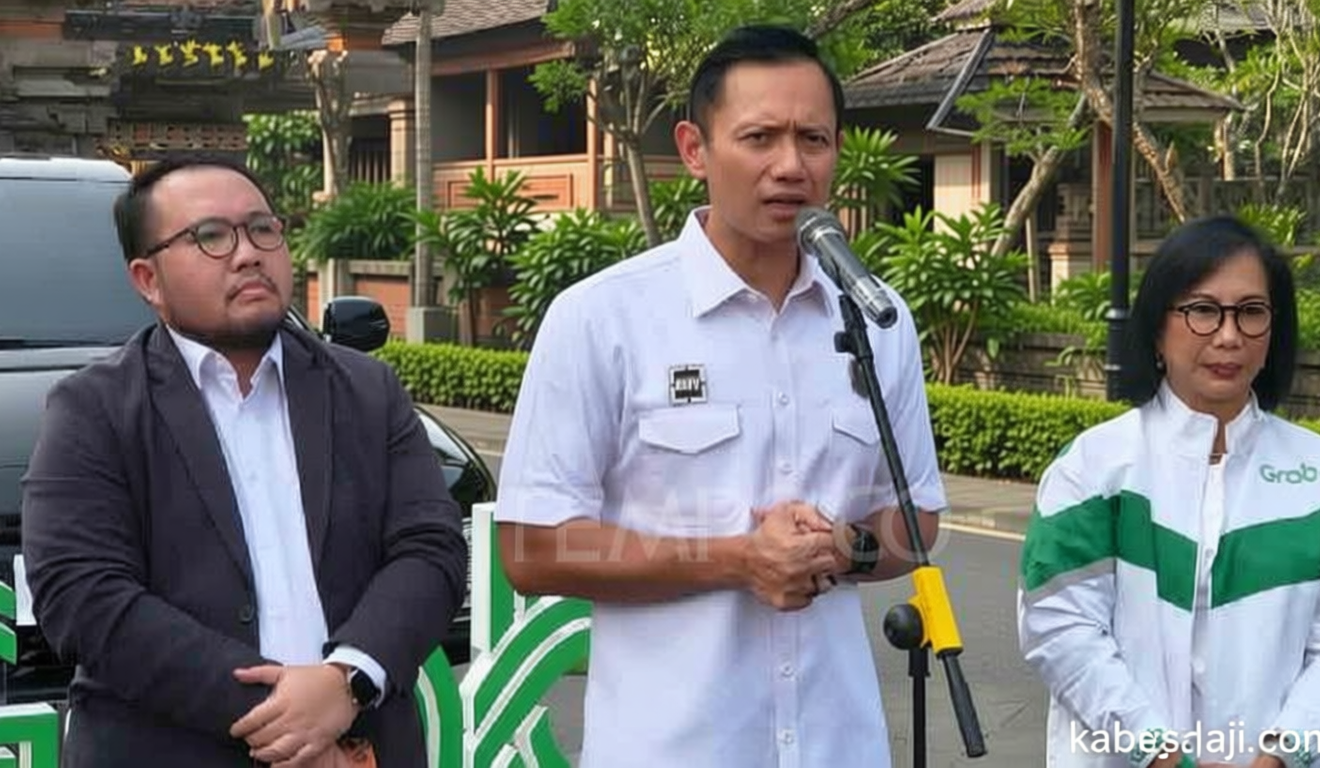
AHY Urges EV Industry to Boost – On June 29, 2026, during a significant visit to the Taman Mini Indonesia Indah event, Agus Harimurti Yudhoyono, the Coordinating Minister for Maritime Affairs and Investment, made a compelling case for the electric vehicle (EV) industry to prioritize local component production. His remarks underscored the importance of bolstering domestic manufacturing capabilities to ensure Indonesia’s competitive edge in the rapidly evolving global EV market. AHY Urges EV Industry to Boost local component development, emphasizing that a self-sufficient supply chain is essential for sustainable growth. The minister’s address, delivered in the context of Grab’s Green Step Movement for Indonesia, highlighted the strategic need to shift from importing critical EV parts to producing them within the country, thereby reducing dependency on foreign markets and fostering economic resilience.
Strategic Vision for Domestic EV Ecosystem
Yudhoyono’s call to action centered on the idea that a robust EV industry cannot thrive without a strong foundation in local manufacturing. He argued that Indonesia’s engineers and technicians are already well-equipped to meet the challenges of technological innovation, and the next step is to scale their efforts. AHY Urges EV Industry to Boost collaboration between local firms and international partners, suggesting that such alliances could accelerate the development of a sustainable domestic sector. By integrating global expertise with indigenous capabilities, the minister envisioned a future where Indonesia not only meets but exceeds international standards in EV production.
“Local component development should rise and become dominant. In time, it can truly be 100 percent made in Indonesia,” he remarked, reiterating his belief in the potential of the nation’s manufacturing sector. This vision aligns with broader economic goals, including reducing trade deficits and creating high-value jobs in emerging industries. AHY Urges EV Industry to Boost the transition to local production as a critical step in positioning the country as a regional leader in clean energy transportation.
Government’s Role in Catalyzing Change
Yudhoyono acknowledged the pivotal role of the government in creating an enabling environment for the EV industry. He highlighted the need for consistent policies that incentivize local manufacturing, such as tax breaks, subsidies, and infrastructure development. “The President frequently emphasizes that we must have a strong determination to establish a national automotive industry, beginning with an electric-based foundation,” he added, stressing that political will is as crucial as technological innovation. The minister also pointed to the importance of streamlining regulations to attract investment and ensure that the domestic supply chain can scale efficiently to meet demand.
Learning from Global Examples
He drew parallels between Indonesia’s current situation and China’s early trajectory in the EV sector, noting that the latter’s rapid ascent was fueled by initial challenges and a commitment to research. AHY Urges EV Industry to Boost local production by recognizing that even the most successful industries begin with imperfections, requiring persistent refinement. Yudhoyono suggested that Indonesia could emulate China’s model by fostering a culture of innovation and leveraging its natural resources, such as nickel and lithium, which are vital for battery production. This approach would not only secure raw material supply but also reduce costs and enhance energy independence.
“This is an inevitability for any growing industry,” he said, underscoring the idea that local component development is not just an aspiration but a necessity. By investing in R&D and building partnerships with domestic and international stakeholders, Indonesia can create a self-sustaining EV industry that supports both environmental and economic objectives. The minister also emphasized the importance of public-private collaboration, urging policymakers to work closely with companies to align production goals with national priorities.
Current State of EV Manufacturing in Indonesia
As of 2026, Indonesia’s EV industry remains in its nascent stages, with a lack of established domestic brands and reliance on imported parts. AHY Urges EV Industry to Boost the production of key components such as batteries, motor systems, and charging infrastructure to address this gap. The government has already initiated steps to develop a national car under the I2C (Indigenous Indonesian Car) label, spearheaded by PT Teknologi Militer Indonesia. This initiative aims to create a cohesive ecosystem where local firms can manufacture EVs without depending heavily on foreign suppliers. Yudhoyono noted that while progress is being made, the pace of development must be accelerated to meet global trends and ensure long-term competitiveness.
He also pointed to the potential of Indonesia’s automotive industry, which has historically contributed significantly to the nation’s economy. By shifting focus to electric vehicles, the sector could tap into new markets and diversify its offerings. AHY Urges EV Industry to Boost local manufacturing to align with the global transition toward sustainable energy, positioning Indonesia as a key player in the region. The minister’s vision includes not only technological advancement but also social benefits, such as reducing urban pollution and creating employment opportunities in rural and urban areas alike.
Challenges and Opportunities Ahead
Despite the momentum, Yudhoyono acknowledged several challenges, including the need for skilled labor, adequate infrastructure, and access to capital. He called for targeted investments in vocational training and research centers to address these issues. AHY Urges EV Industry to Boost the integration of local components into the global supply chain, which requires both technical expertise and strategic planning. The minister also emphasized the importance of consumer awareness, suggesting that public campaigns could drive demand for domestically produced EVs and support the transition from traditional vehicles to electric alternatives.
Looking ahead, Yudhoyono expressed confidence that Indonesia could achieve its goal of producing 100 percent EVs within the next decade. He highlighted the growing interest from international automakers and investors in the country’s market, citing opportunities for joint ventures and technology transfer. AHY Urges EV Industry to Boost the potential of local production as a driver of economic growth, with the I2C initiative serving as a cornerstone for this transformation. By fostering a culture of innovation and collaboration, Indonesia is poised to make significant strides in the EV sector, ensuring a sustainable and resilient future for its automotive industry.