
Republic Conference Outlines Movement Goals in Cikini
Republic Conference Outlines Movement Goals in Cikini Republic Conference Outlines Movement Goals in Cikini - The Republic Conference, a pivotal event in the
Republic Conference Outlines Movement Goals in Cikini
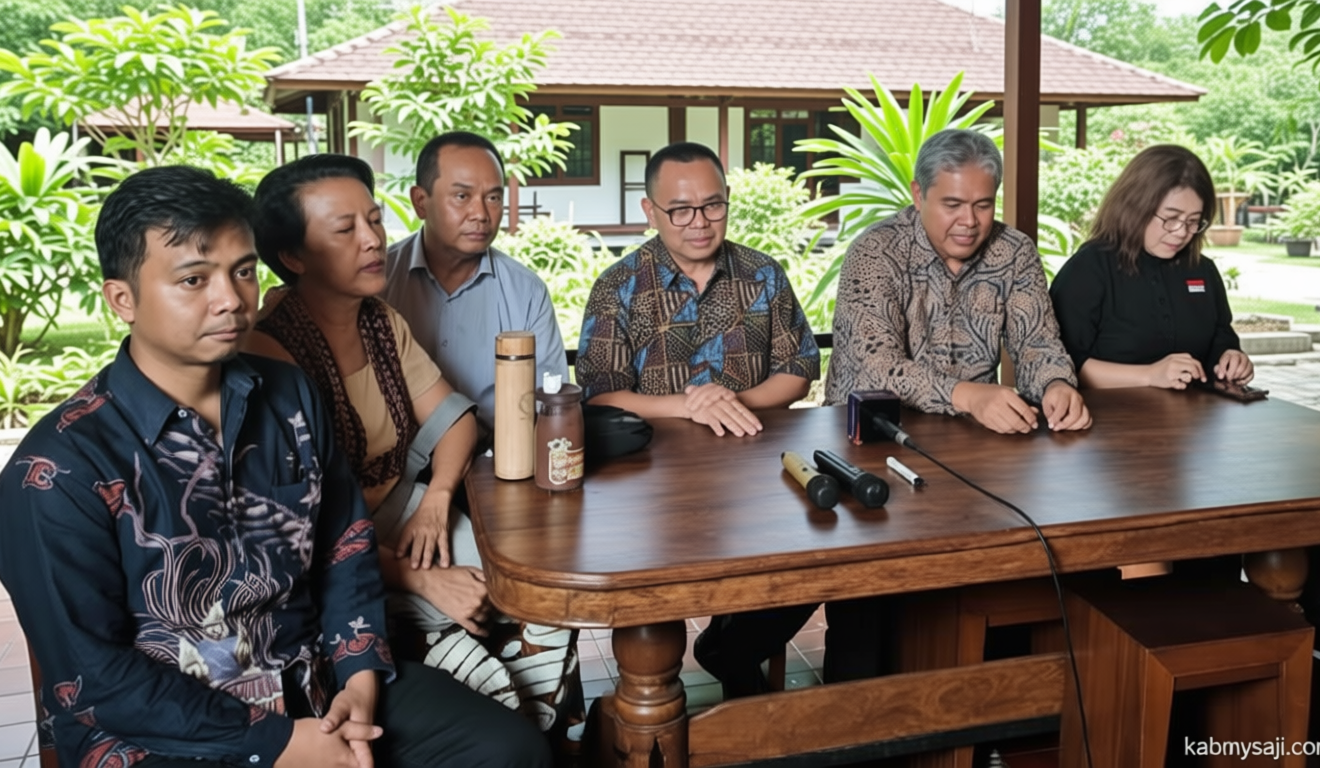
Republic Conference Outlines Movement Goals in Cikini – The Republic Conference, a pivotal event in the political landscape of Indonesia, officially finalized its strategic framework in the Cikini district of Central Jakarta on June 28, 2026. This gathering, which lasted four hours, brought together over 200 participants representing diverse groups, including publishers, civil society organizations, women’s rights advocates, and labor unions. The conference’s primary objective was to define the movement’s ideological foundation, structural model, and administrative framework, as emphasized by Yanuar Nugroho, the secretary general of the organizing committee. By outlining these goals, the Republic Conference aims to strengthen the coalition’s vision for a more inclusive and participatory political system.
Core Values and Shared Ideals
A central theme of the Republic Conference was the establishment of a unified platform grounded in shared values. Delegates engaged in discussions to harmonize differing perspectives on what the movement should prioritize. While multiple interpretations emerged, the consensus centered on principles like public well-being, transparency, and collective responsibility. “Our values must serve as the bedrock of every decision,” Nugroho stated, highlighting the importance of aligning the coalition’s objectives with the needs of the broader population. He further noted that the movement seeks to bridge generational and sectoral divides, ensuring that all voices are represented in the governance model.
Network-Driven Governance Model
The conference also deliberated on the movement’s organizational structure, ultimately rejecting a centralized political party model in favor of a network-based approach. This decision aimed to foster flexibility and inclusivity, allowing groups such as farmers, academics, and disability advocates to contribute meaningfully. “A network structure ensures that no single entity dominates the movement,” Nugroho explained. The model emphasizes collaboration over hierarchy, with participants working together to adapt strategies to evolving challenges. This framework is designed to empower local leaders and maintain a decentralized yet coordinated effort across the nation.
The Republic Conference’s emphasis on shared values and network-driven governance underscores its commitment to democratic participation. By avoiding rigid party lines, the movement aims to create a space where diverse stakeholders can coalesce around common goals. Sudirman Said, the chair of the committee, emphasized that the outlined themes remain conceptual, with finalization expected within two weeks. “We are refining the basic ideas to ensure they reflect the aspirations of all involved,” he said, underscoring the need for clarity in roles and responsibilities. The movement’s next steps include drafting a formal structure that will guide its implementation and sustainability.
Leadership and Decision-Making Principles
Leadership principles were another critical focus during the conference. Three distinct types of leadership—institutional, collective, and intrinsic—were identified as essential to the movement’s success. Institutional leadership prioritizes the organization’s long-term growth, while collective leadership allows strategies to evolve through shared effort. Intrinsic leadership, meanwhile, emphasizes moral values over personal gain. “This balance ensures that the movement remains resilient and adaptable,” Nugroho remarked. The emphasis on values over individual ambitions reflects the coalition’s broader mission to serve the public interest rather than narrow political agendas.
The Republic Conference’s outcomes are poised to influence future political dynamics in Indonesia. By outlining movement goals with a focus on inclusivity and transparency, the event sets the stage for a coalition that transcends traditional party boundaries. The network-driven structure and leadership principles are expected to foster innovation and grassroots engagement. As the movement moves forward, its ability to maintain cohesion while addressing complex societal issues will be crucial. The finalization of the strategic framework is anticipated to provide a clear roadmap for achieving these objectives and solidifying the coalition’s impact on national policy.
Controversy Erupts: UI’s Cancellation of the Conference
On the same day the Republic Conference concluded, the University of Indonesia (UI) took an unexpected step by canceling its own event titled “Konferensi Republik: Jalan Menata Kembali Republik” at the Salemba campus. A committee member, Jaleswari Pramodhawardhani, claimed the university revoked the permit due to administrative concerns. “We followed all required procedures,” she stated at the campus on June 28, defending the movement’s adherence to formal protocols. The incident has raised questions about the administrative process and its potential to hinder the conference’s goals, despite the movement’s efforts to secure support from academic institutions.
The cancellation of the UI event has sparked debates about the role of universities in political movements. While the Republic Conference’s framework emphasizes collaboration with diverse sectors, the abrupt decision by UI highlights the challenges of aligning institutional approvals with the movement’s vision. The university’s director of public relations, Erwin Agustian Pani, was involved in the permit revocation, adding to the controversy. This event underscores the need for clear communication and the delicate balance between administrative oversight and political expression in Indonesia’s evolving democratic landscape.