
BPS Likens 2026 Economic Census to Medical Check-Up
BPS Likens 2026 Economic Census to Medical Check-Up BPS Likens 2026 Economic Census to Medical - Amalia Adininggar Widyasanti, the head of the Central
BPS Likens 2026 Economic Census to Medical Check-Up
BPS Likens 2026 Economic Census to Medical – Amalia Adininggar Widyasanti, the head of the Central Statistics Agency (BPS), has drawn a compelling analogy between the 2026 Economic Census and a medical check-up. In a public session held at the Lampung Governor’s Office in Bandarlampung on Saturday, June 27, 2026, she emphasized that the census serves as a critical diagnostic tool to assess the health of Indonesia’s national and regional economies. This comparison underscores the importance of gathering comprehensive economic data to identify strengths, weaknesses, and areas requiring intervention. By likening the process to a medical examination, Amalia aims to highlight its role in providing actionable insights for sustainable development.
The Economic Census as a Diagnostic Tool
According to Amalia, the 2026 Economic Census is not merely a data collection exercise but a strategic investment in understanding the economic pulse of the nation. She explained that the census will map out the distribution of economic activities across various sectors, ensuring that policymakers have accurate information to guide their decisions. This year’s census, which occurs every decade, is expected to capture the intricate dynamics of Indonesia’s economy, including the contributions of micro, small, and medium enterprises (MSMEs) and the performance of key industries like agriculture, manufacturing, and tourism. The data gathered will be essential for shaping policies that align with the country’s developmental goals.
“The 2026 Economic Census will act as a comprehensive health report for our economy, helping us pinpoint where to focus our efforts,” Amalia remarked during the session.
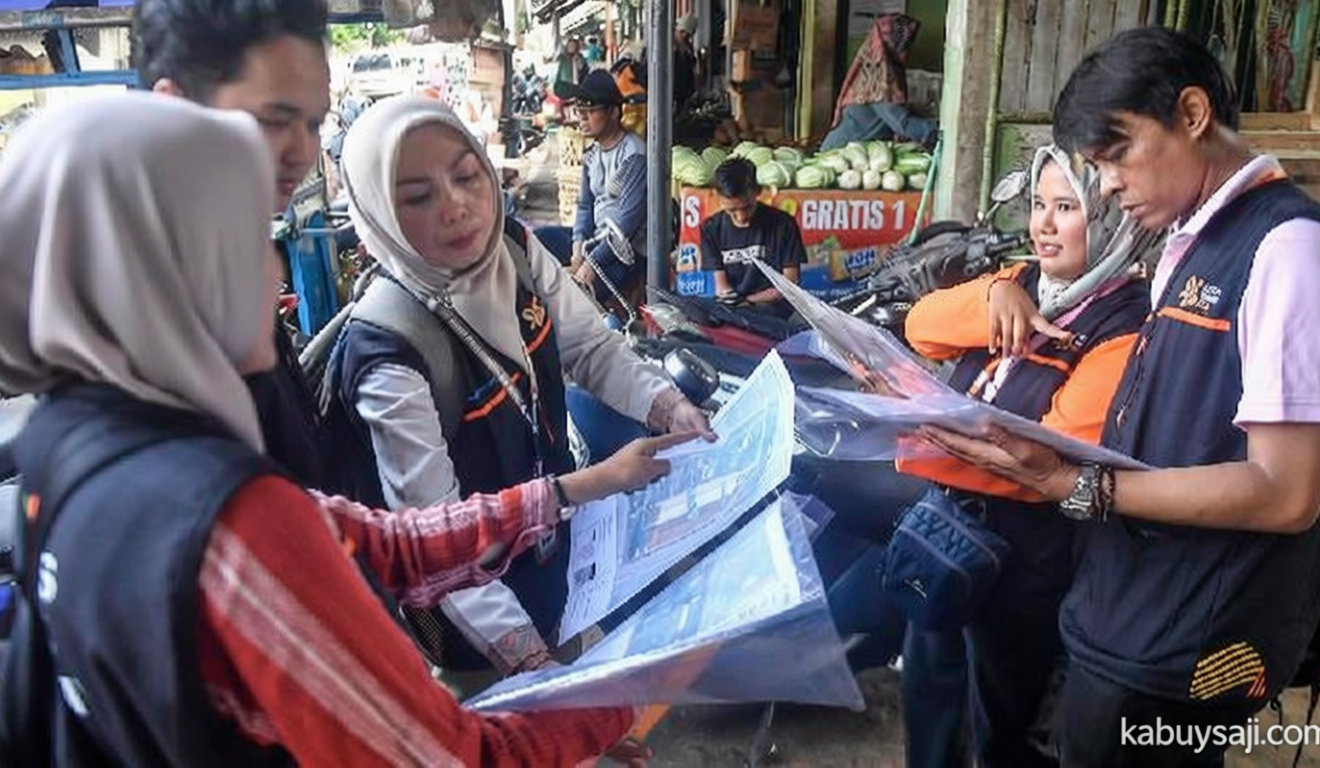
Amalia also stressed that the success of the census relies heavily on the cooperation of the public and businesses. She called on citizens to provide detailed information about their economic activities, as this will form the backbone of national planning. The field officers, numbering 8,619, will play a pivotal role in ensuring the accuracy and completeness of the data. Their work is crucial for capturing the real-time state of the economy, which is vital for creating targeted interventions and fostering growth.
Regional Insights and Sectoral Focus
As part of the broader national initiative, the 2026 Economic Census will provide a granular view of Indonesia’s economic landscape at the regional level. In Lampung, the governor, Rahmat Mirzani Djausal, reiterated the significance of the census in uncovering the region’s economic potential. He noted that the data will be instrumental in analyzing the performance of local industries and identifying opportunities for investment and development. By focusing on sectors such as agriculture, plantations, fisheries, and trade, the census aims to highlight the unique economic contributions of each area.
“This census will not only reveal the current state of Lampung’s economy but also guide us toward future prosperity,” said Rahmat, emphasizing the need for accurate data to inform decision-making. He added that the insights gained from the census will help in tailoring policies to address the specific needs of the region.
The census is expected to shed light on the challenges faced by small businesses and how they can be supported to thrive. Rahmat highlighted that the economic census will also assess the impact of external factors, such as global market trends and technological advancements, on local economies. This comprehensive analysis will enable stakeholders to develop strategies that are both resilient and adaptive, ensuring long-term economic stability.
Amalia Adininggar Widyasanti further elaborated on the importance of the 2026 Economic Census in addressing emerging economic trends. She pointed out that the data will help in understanding the shift towards digitalization and the integration of renewable energy sectors, which are becoming increasingly vital for economic growth. By mapping these transitions, the census will provide a clearer picture of the economy’s evolving structure, allowing for more informed policy-making.
“The 2026 Economic Census will ensure that we are not just reacting to economic changes but anticipating them,” Amalia stated, underscoring the proactive approach the census aims to enable.
With the data collection process already underway, the BPS is working closely with local governments to ensure smooth operations. The census is a significant undertaking, requiring collaboration across multiple sectors and disciplines. As the final results are anticipated, the data will serve as a cornerstone for economic planning, offering a snapshot of the nation’s economic health and guiding future initiatives.