
Analyst Explains Why Rupiah Could Weaken Past Rp18,000 Next Week
Analyst Explains Why Rupiah Could Weaken Past Rp18,000 Next Week Analyst Explains Why Rupiah Could Weaken - Indonesia's currency, the rupiah, has shown slight
Analyst Explains Why Rupiah Could Weaken Past Rp18,000 Next Week
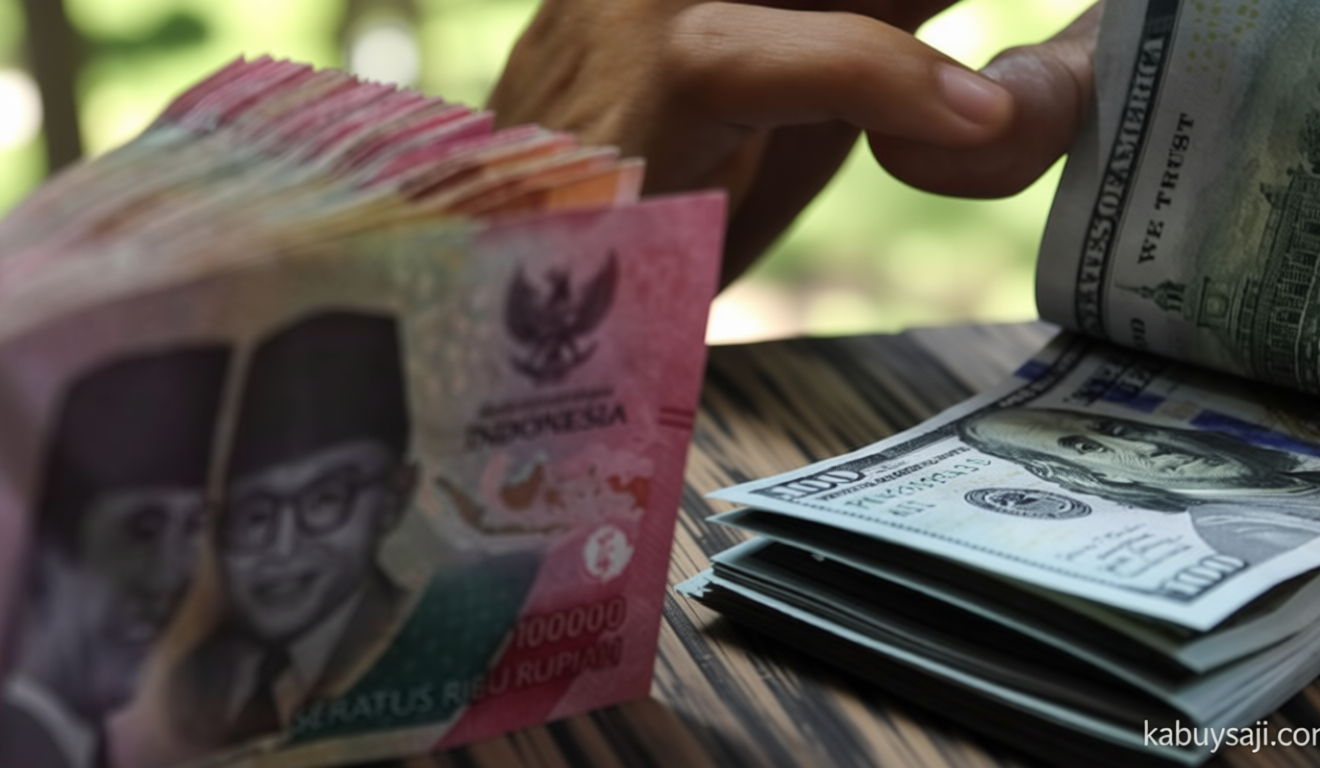
Analyst Explains Why Rupiah Could Weaken – Indonesia’s currency, the rupiah, has shown slight resilience in recent trading, yet financial experts warn that it may still face significant pressure to fall below the Rp18,000 threshold against the U.S. dollar in the coming days. As of Friday, June 26, 2026, the rupiah traded at 17,922 per dollar, reflecting a modest gain. However, market analysts suggest that this upward movement may be temporary, with the potential for a sharp reversal next week due to a combination of global and domestic economic pressures.
Global Dollar Strength and Market Dynamics
The rupiah’s vulnerability to depreciation is closely tied to the continued strength of the U.S. dollar on the international stage. Over the past week, the dollar has maintained its dominance in foreign exchange markets, driven by strong economic data from the United States and robust appetite for safe-haven assets. Indonesia’s Jakarta Interbank Spot Dollar Rate (JISDOR) has tracked this trend, with the rupiah fluctuating between 17,819 and 17,962 per dollar during the week. Analysts point to the dollar’s role as a benchmark currency and its ability to absorb global risk as key factors in this pattern.
Readers who are interested in the broader implications of this movement might explore related topics such as the role of commodity prices in currency valuation or how interest rate differentials between nations influence exchange rates. These elements provide a deeper context for understanding the rupiah’s potential weakening, which analysts predict could extend beyond the Rp18,000 level if current trends persist.
Domestic Factors and Policy Implications
Analyst Explains Why Rupiah Could Weaken – Domestic economic conditions also contribute to the rupiah’s downward trajectory. Ibrahim Assuabi, a currency and commodities analyst at PT Trijaya Andalan Futures, noted that Indonesia’s recent fiscal measures have not been enough to counteract external pressures. While the government has implemented initiatives like the Free Nutritious Meals program to stabilize public spending, these efforts have not fully offset concerns over inflation, trade imbalances, and the overall health of the economy.
Bank Indonesia’s interventions in the foreign exchange market have played a critical role in mitigating volatility. By managing spot rates, Domestic Non-Deliverable Forwards (DNDF), and government bond (SBN) markets, the central bank aims to support the rupiah. However, the effectiveness of these measures depends on their ability to sustain investor confidence and counteract the growing appetite for the dollar. Analysts remain cautious, emphasizing that the rupiah’s performance next week will depend on how these domestic strategies align with global conditions.
Global Geopolitical Tensions and Oil Market Volatility
Analyst Explains Why Rupiah Could Weaken – The ongoing uncertainty in global geopolitics has further weakened the rupiah. While U.S.-Iran tensions have eased following a recent agreement, analysts remain wary of potential disruptions in oil supply routes, particularly the Strait of Hormuz. This region is a crucial artery for global oil trade, and any signs of instability could lead to spikes in oil prices, increasing the cost of imports for Indonesia and putting downward pressure on the rupiah.
Additionally, the volatility in oil markets has created a ripple effect across emerging currencies. As oil prices fluctuate, the rupiah’s value becomes more sensitive to changes in the energy sector. Ibrahim Assuabi highlighted that the resumption of oil shipments through the strait, though promising, has not entirely eliminated concerns about the long-term sustainability of this reopening. Such doubts continue to fuel the demand for the dollar, reinforcing the rupiah’s weakness.
Investor Sentiment and Market Outlook
Analyst Explains Why Rupiah Could Weaken – Investor sentiment is a crucial determinant in the rupiah’s direction. The recent rise in the dollar has encouraged portfolio reallocation, with investors favoring safer assets. This shift has led to increased selling of the rupiah, which is viewed as a higher-risk currency in the current climate. Experts believe that if the dollar maintains its momentum, the rupiah could weaken further, potentially reaching the Rp18,000 mark next week.
The market outlook for the rupiah remains divided. While some analysts see a temporary correction, others warn of a more prolonged decline. Ibrahim Assuabi noted that the currency is likely to remain in a range between 17,880 and 18,100 per dollar, with the upper end of this range being a key concern. The timing of this potential dip is also significant, as it coincides with a period of heightened global economic uncertainty and fluctuating investor confidence.
Conclusion and Strategic Considerations
Analyst Explains Why Rupiah Could Weaken – The convergence of global dollar strength, domestic economic challenges, and geopolitical uncertainties paints a complex picture for the rupiah’s future. Next week’s movements will serve as a critical indicator of whether these factors will continue to exert downward pressure or if the currency can stabilize. Investors are advised to closely monitor developments in both the international and domestic markets, as the r