
Venezuela Twin Earthquake Death Toll Jumps to 589
589 Venezuela Twin Earthquake Death Toll Jumps - The Venezuela twin earthquake death toll has risen sharply, now standing at 589 following two devastating
Venezuela Twin Earthquake Death Toll Jumps to 589
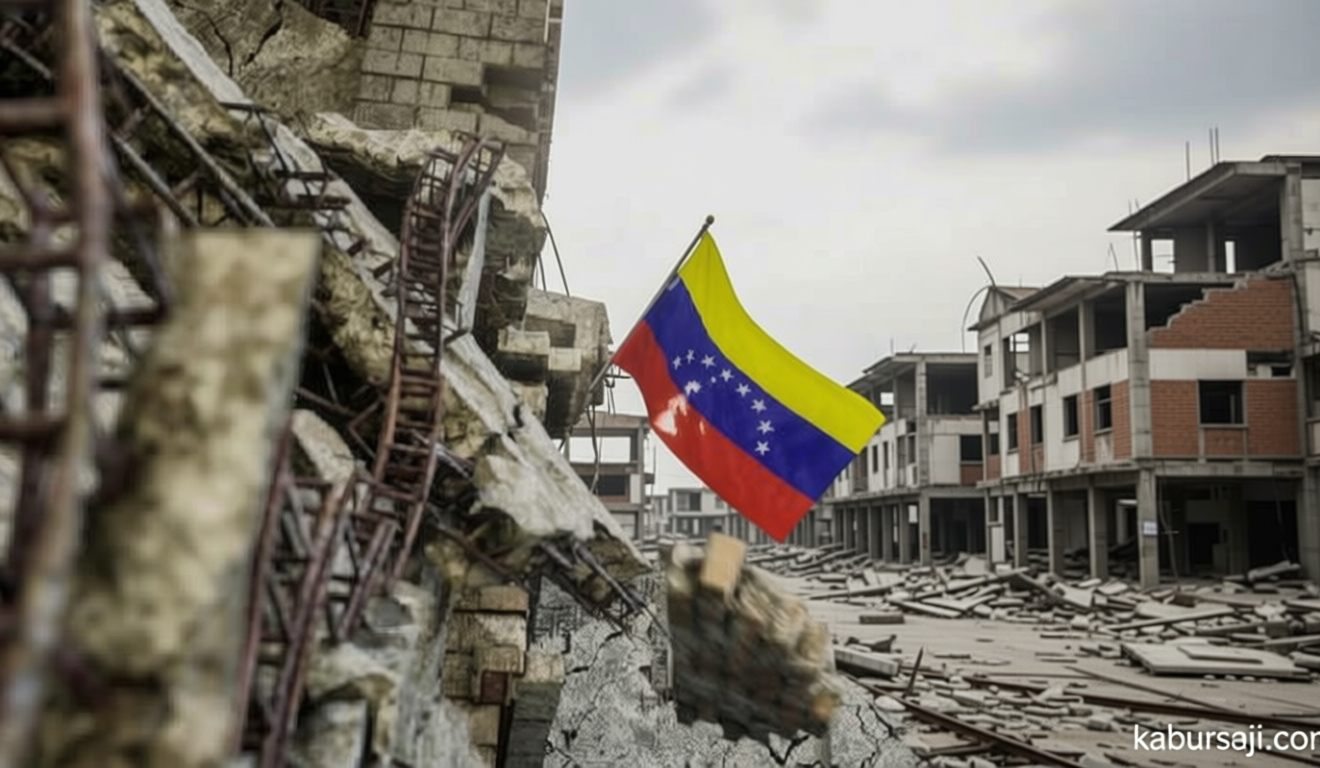
Venezuela Twin Earthquake Death Toll Jumps – The Venezuela twin earthquake death toll has risen sharply, now standing at 589 following two devastating quakes that struck the country late Wednesday. According to interim President Delcy Rodríguez, the updated figure reflects the ongoing casualties and underscores the gravity of the disaster. The incident, which has drawn international attention, has left widespread destruction and triggered urgent rescue operations across multiple regions. As reports of the Venezuela twin earthquake death toll continue to emerge, the humanitarian crisis deepens, with families and communities grappling with loss and uncertainty.
Immediate Impact and Response
The twin earthquakes, measuring 7.2 and 7.5 on the Richter scale, struck approximately 160 kilometers west of Caracas, causing catastrophic damage to infrastructure and homes. Rodríguez, addressing officials during a televised address, confirmed the Venezuela twin earthquake death toll had surged from 235 to 589, emphasizing the relentless efforts to save lives. “We are going to rescue the people who are trapped. We are working tirelessly on this task,” she stated, highlighting the coordination between state security forces and emergency teams. The disaster has forced authorities to declare a national emergency, mobilizing resources to address the scale of the tragedy.
The initial shock of the earthquakes sent tremors across Venezuela, disrupting power grids, damaging roads, and collapsing buildings in densely populated areas. In La Guaira, a coastal region heavily affected by the quakes, rescue teams have been working around the clock to extract survivors from the rubble. The use of heavy machinery and drones has become critical in navigating the debris-filled zones. Meanwhile, hospitals have been overwhelmed, prompting Rodríguez to call for medical staff to report for duty. “We need all doctors and nurses to report to their places of work. We must take care of everyone who is arriving at emergency rooms,” she urged, reflecting the urgency of the situation.
Damage Assessment and Regional Disparities
As the Venezuela twin earthquake death toll continues to climb, officials have provided a clearer picture of the devastation. The quakes caused significant structural damage in Caracas and surrounding areas, with reports indicating collapsed buildings, fractured roads, and disrupted communication networks. The most severely affected regions include La Guaira and the interior mountainous areas, where landslides have further complicated recovery efforts. In the capital, thousands of residents were left without electricity or running water, with many seeking shelter in open spaces or with family members.
Authorities have shut down the country’s primary airport, La Paz International Airport, after discovering structural damage to its terminal roof. This has disrupted both domestic and international travel, adding to the logistical challenges of coordinating relief efforts. Schools across the nation remain closed for the remainder of the week, while residents are advised to avoid weakened buildings. The magnitude of the earthquakes has also raised concerns about long-term economic impacts, with industries such as oil and mining facing disruptions due to damaged infrastructure.
Rescue operations extended into the night, focusing on recovering individuals trapped in rubble and identifying those still missing. An opposition-led website tracking the missing listed around 49,500 people as unaccounted for, highlighting the discrepancy between official figures and on-the-ground realities. The US Geological Survey had previously warned that the death toll could surpass 10,000 based on seismic impact projections, though current reports indicate the numbers are still below that estimate. Despite this, the scale of the disaster has prompted calls for international aid and support.
Humanitarian Challenges and Community Efforts
Amid the chaos of the Venezuela twin earthquake death toll crisis, communities have stepped up to provide aid. Volunteers and local organizations are distributing food, water, and medical supplies to impacted families, while makeshift shelters have been set up in public spaces. The government has also launched a campaign to ensure the safe distribution of resources, with Rodríguez stressing the importance of unity in the face of adversity. “We are one people, and we must support each other in this hour of need,” she said, echoing the sentiments of many Venezuelans who have come together to aid their neighbors.
International media outlets have been closely monitoring the situation, with DW and NPR providing real-time updates on the progress of rescue efforts and the state of emergency. The global community has expressed solidarity, with several countries offering assistance in the form of equipment, personnel, and financial aid. However, the ongoing political tensions in Venezuela have raised questions about the efficiency of aid distribution. As the death toll from the twin earthquakes continues to grow, the focus remains on ensuring that no life is left behind in the rubble.